Explore higher degree research opportunities in faith and theology
St Barnabas College offers research opportunities through the Master of Philosophy, Doctor of Philosophy, and Doctor of Professional Practice. Each program centres on a major thesis, guided by experienced supervisors and externally examined. Whether your focus is theology, ministry, or spirituality, research at St Barnabas empowers you to make a meaningful contribution to both Church and society.
Research Areas
St Barnabas College supports research in a variety of theological fields, including:
Biblical Studies
Patristics (Early Church Studies)
Theology
Creation Care
Archaeology & Epigraphy
Degrees Offered
Research Seminars
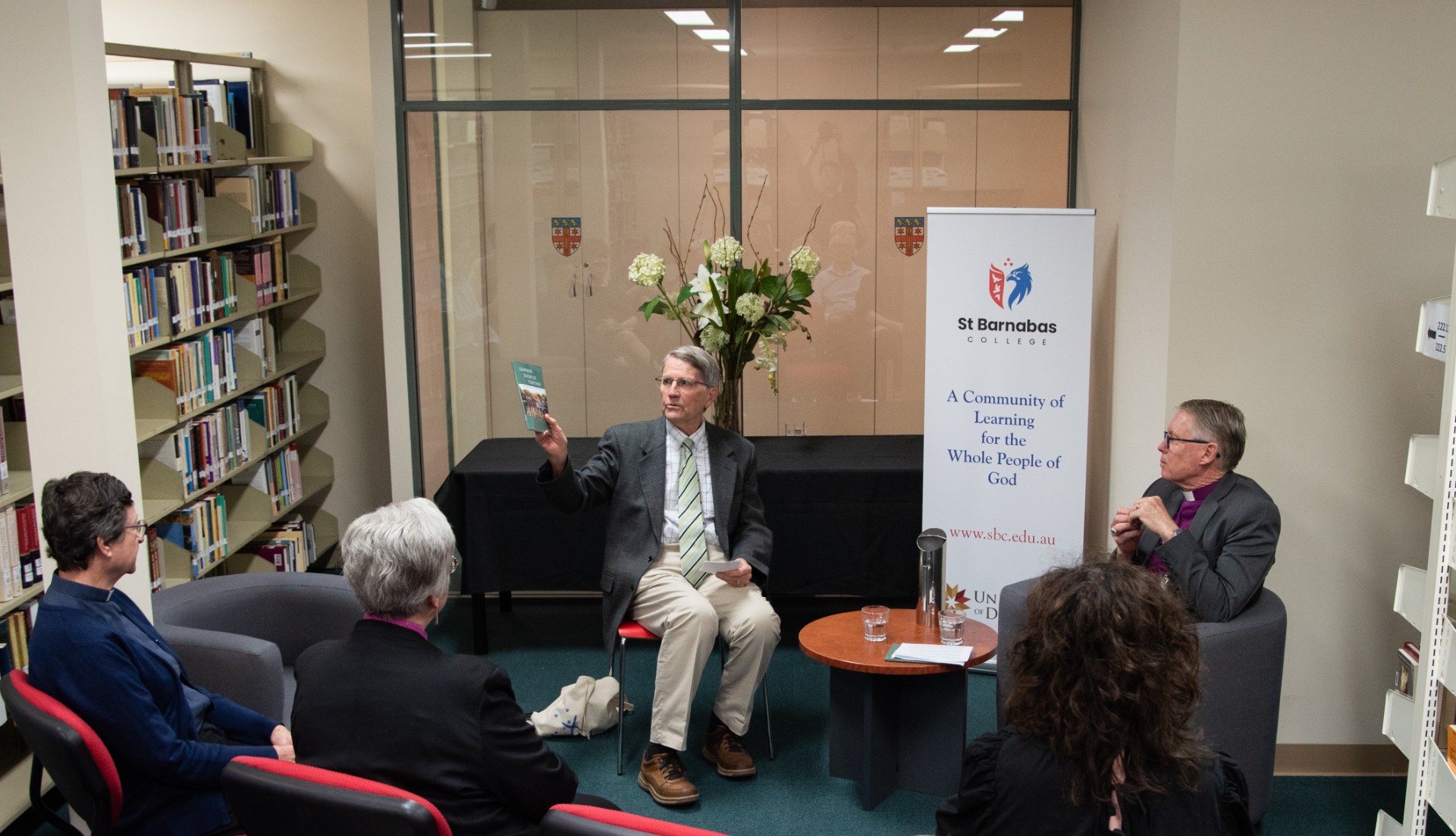
St Barnabas College hosts regular research seminars, usually on Monday afternoons, both in-house and in collaboration with other University of Divinity colleges. These sessions give students and staff a chance to share research, exchange ideas, and receive constructive feedback. They’re a valuable part of the academic community, fostering growth, connection, and critical engagement.
Meet our Research Supervisors
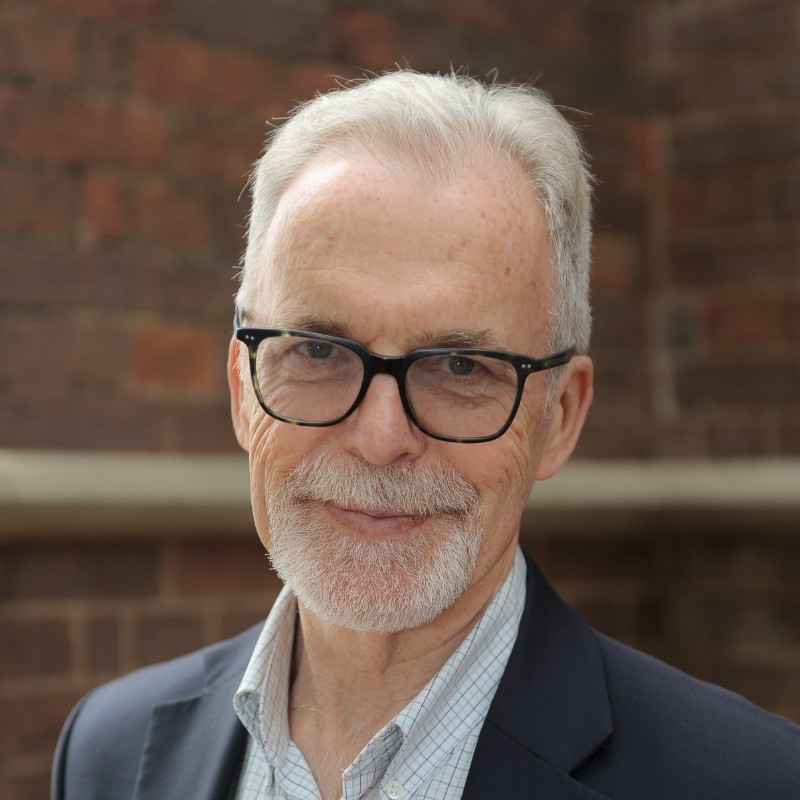
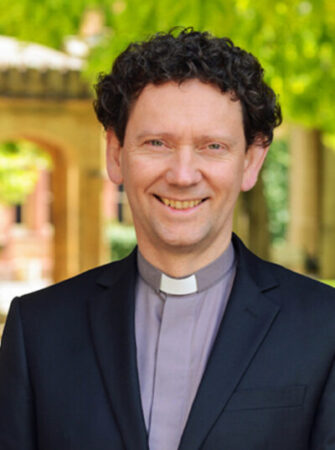
Research students are supported by experienced academic supervisors who provide guidance on research methodology, thesis development, and theological reflection. Each supervisor brings specialist expertise in theological research and academic mentoring.



A journey into the depth of God’s story
Through the study of biblical texts, early church wisdom, theology, creation care, and the physical echoes of history found in archaeology and epigraphy, we are invited into a deeper understanding of God’s unfolding work in the world. Research in these areas is more than academic, it is a sacred calling to seek truth, wrestle with meaning, and bear witness to the beauty of faith across time, place, and creation.
Frequently Asked Questions
Have questions about your research journey? We’re here to guide you through each step as you explore, question, and grow in faith and understanding.
What do I need to know about Higher Degree by Research (HDR)?
Doing a Higher Degree by Research (HDR) is a different and more complex experience than completing a coursework program of study. In HDR, you have one assignment to complete, which is the writing of a thesis. Each HDR student works with at least two supervisors who will support, guide and encourage you with your work, as well as give feedback on your writing.
How long does it take to complete a Higher Degree by Research (HDR) award?
Master of Philosophy can be completed in 1.5 years of full-time study or up to 4 years part-time. Doctor of Philosophy and Doctor of Professional Practice will take 3 years full-time or up to 9 years part-time to complete.
Are there any study support or scholarships available for research students?
All Higher Degree by Research (HDR) students and their supervisors become members of the University of Divinity – School of Graduate Research (SGR), which offers range of programs to support their successful completion. This includes orientation programs, research training opportunities, annual research conference, and thesis bootcamps which aim is to provide space and motivation for a period of concentrated writing.
Research scholarships may be applied to the University of Divinity. Visit Research Scholarships – University of Divinity for information on available scholarships, eligibility and selection criteria, and SGR key dates.
How to apply for admission?
Step 1: Select a course. Include links to MPh, DPh, DPP courses
Step 2: Check the selected course’s profile for admission criteria
Step 3: Select St Barnabas College.
Step 4: Attend an interview with the College Course Advisor or Research Coordinator
Step 5: Prepare a research proposal
Step 6: Complete and submit the form(s).
For detailed information about admission into a research degree, visit Apply for Admission into a Research Degree – University of Divinity
What is a research proposal?
A proposal is the first stage in the research process and a key document in the application process. It is about 2000 words in length which needs to address the range of research elements necessary to the completion of a research project. Find out more about research proposal at Research Proposal – University of Divinity